Loyalty programmes: digital customer support makes the difference
Our customer service experience has shown us that people taking part in traditional points collections prefer digital customer support when requesting information.
In recent years, loyalty strategies have gained increasing prominence in marketing and sales. They aim to create and maintain lasting relationships between companies and customers. Loyalty programmes are undoubtedly among the most established methods. According to the University of Parma's Loyalty Observatory 2022, they are a fundamental touchpoint, reaching 65% of Italians in supermarkets and 45% in fashion, while collecting valuable data that enriches customer profiles.
Many elements enable interaction with customers: the app, website, paper prize catalogue, signage, social media and more. One in particular must not be overlooked: digital customer support.
This activity supports consumers by providing information on the points collection and resolving problems quickly. It also gives the company data on customer preferences and sentiment, any difficulties encountered and the collection's progress: the foundation for loyalty plans that are increasingly successful and well received.
The loyalty programmes reward customers with points earned through purchases or other actions, which can then be redeemed for discounts, prizes or other benefits. Loyalty programmes encourage repeat visits and purchases, turning individual transactions into long-term relationships. This traditional mechanism has gradually become digital, opening new possibilities. New technologies, extensive data and artificial intelligence have expanded interaction, including personalised messages and rewards, making participation even more appealing.
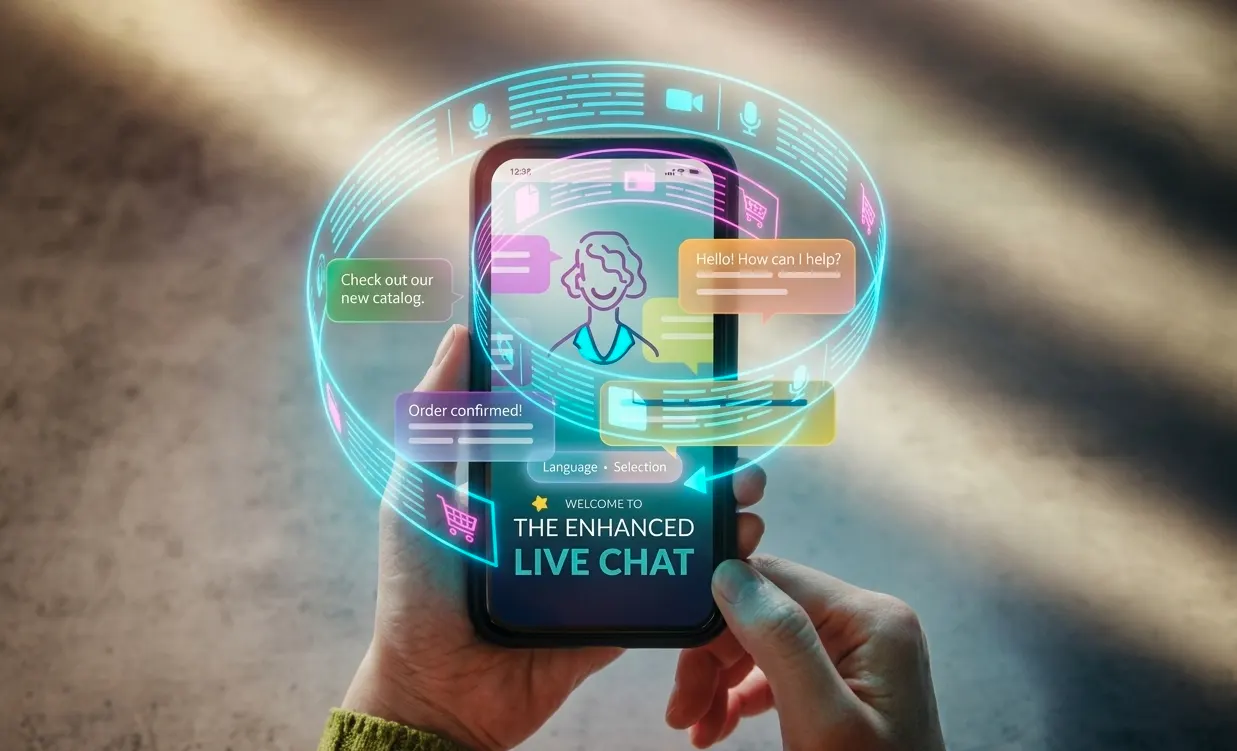
Customer support is also becoming increasingly digital. Chatbots, online platforms and mobile apps have become essential tools both for providing fast, efficient support and for collecting valuable data. Analysing interactions helps companies better understand customers' needs and preferences, identify problems or opportunities for improvement and adapt their strategies accordingly.
'Digital customer support also adds value to traditional paper-based points collections and promotions,' says Francesca Dall’Asta, our company's Business Manager. 'Our customer service experience has shown that people participating in points collections use the chatbot to request information or assistance. Digital support also allows us to analyse interest, loyalty, potential problems and satisfaction with a traditional points collection.'
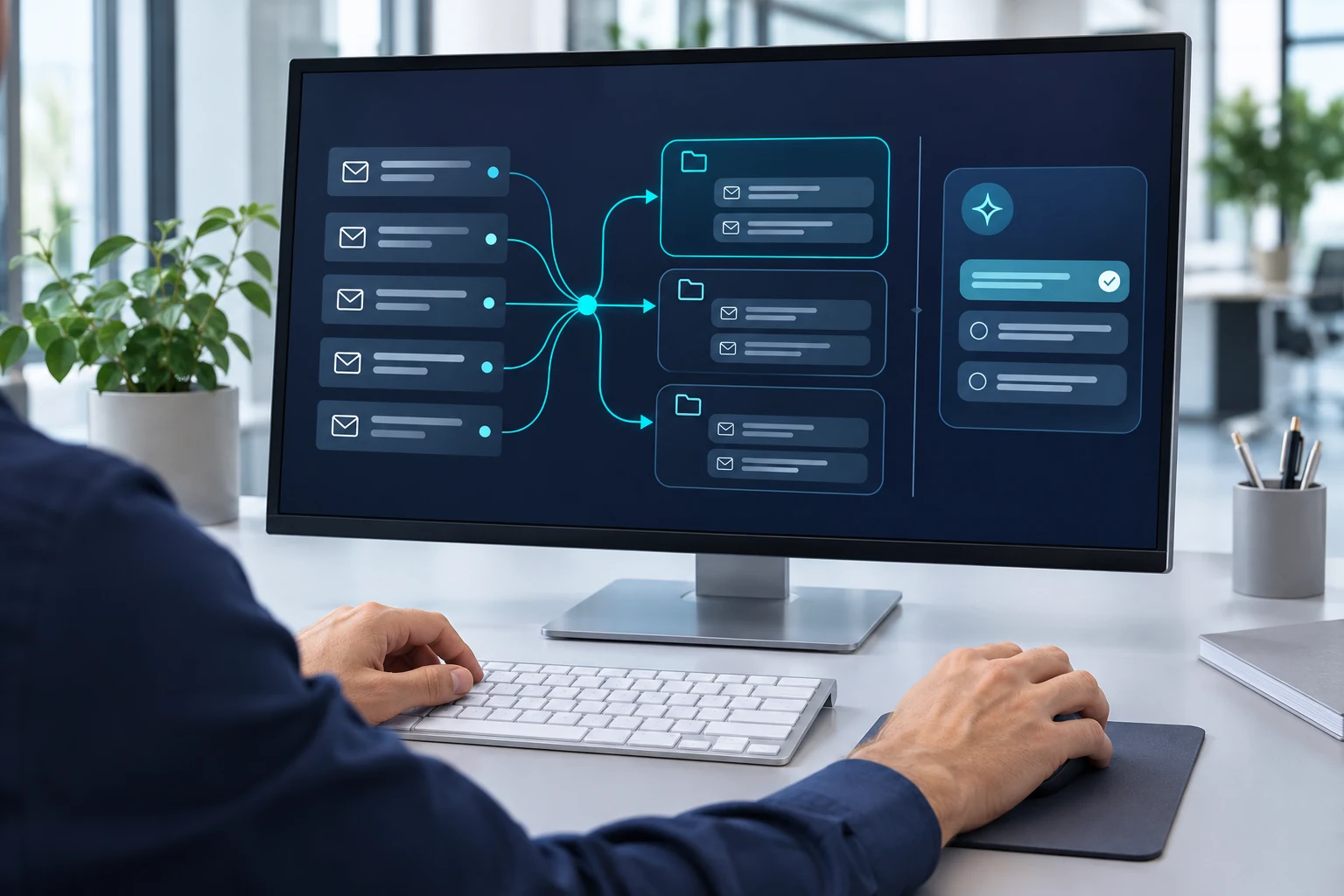
A practical example is the intelligent, autonomous contact system we developed for a leading food brand's paper-based points collection. It manages multiple interactions simultaneously, operates without time restrictions and offers immediate, comprehensive and personalised responses. Jeko NexIA, our ticket and complaint management software, collects reports from every touchpoint and directs them through the various stages of the management workflow, preventing duplication, optimising response times, making the most of data and ensuring a consistent tone of voice and clear, coherent customer responses. By querying databases immediately, Jeko also gives consumers a response tailored to their own card, reward or shipment.
'These improvements to the support flow are helping digital support become increasingly popular, even among consumers in more traditional loyalty programmes who might be expected to prefer equally traditional assistance. Digital customer service adds real value and brings something extra to the customer experience,' concludes Dall’Asta.